CALAS Showcases Research at the China Hi-Tech Fair 2026 in Shenzhen
CALAS members presented our research at the City University of Hong Kong booth at the China Hi-Tech Fair (CHTF) 2026 in Shenzhen, organised by the CityUHK Shenzhen Research Institute.
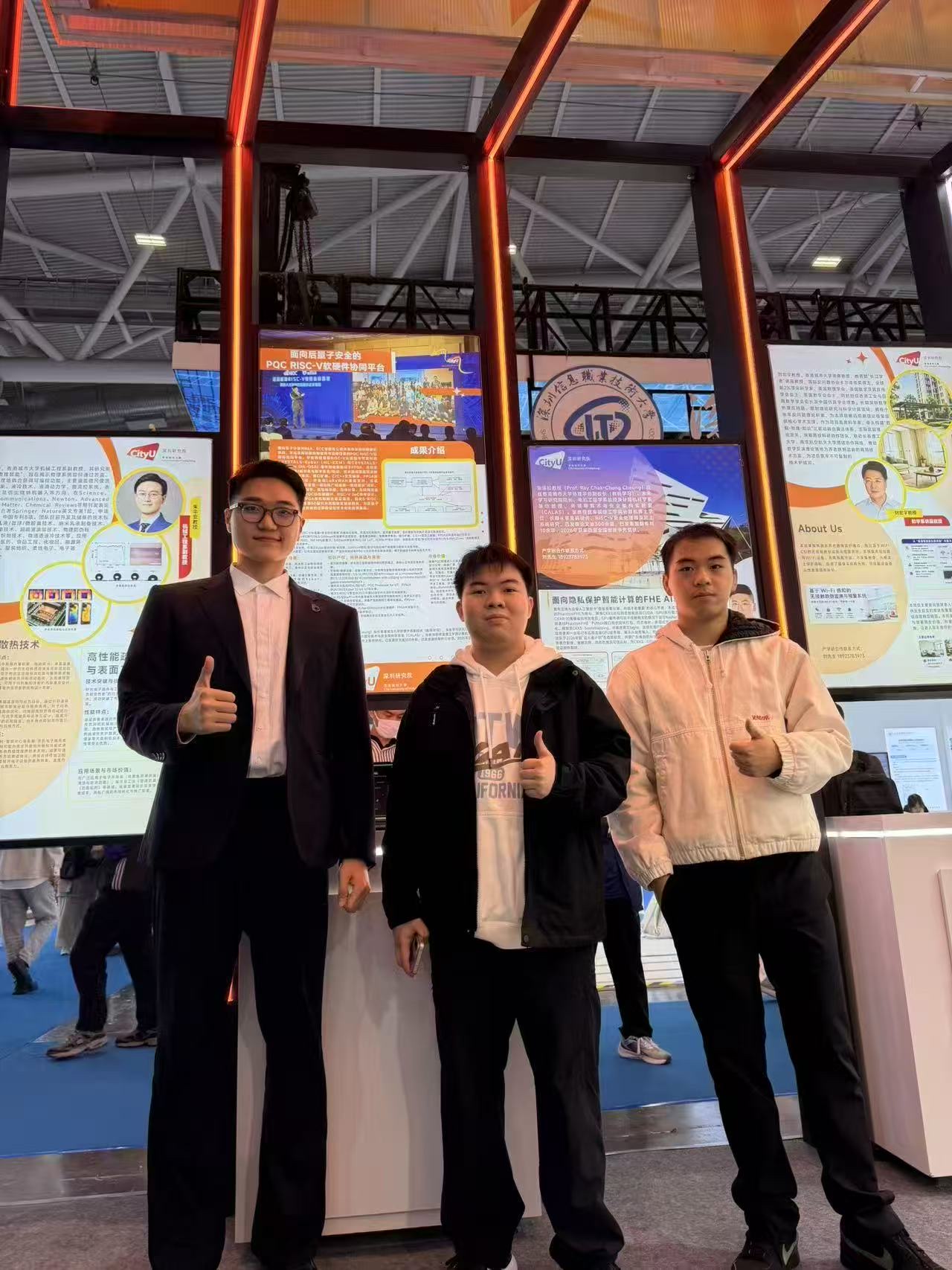
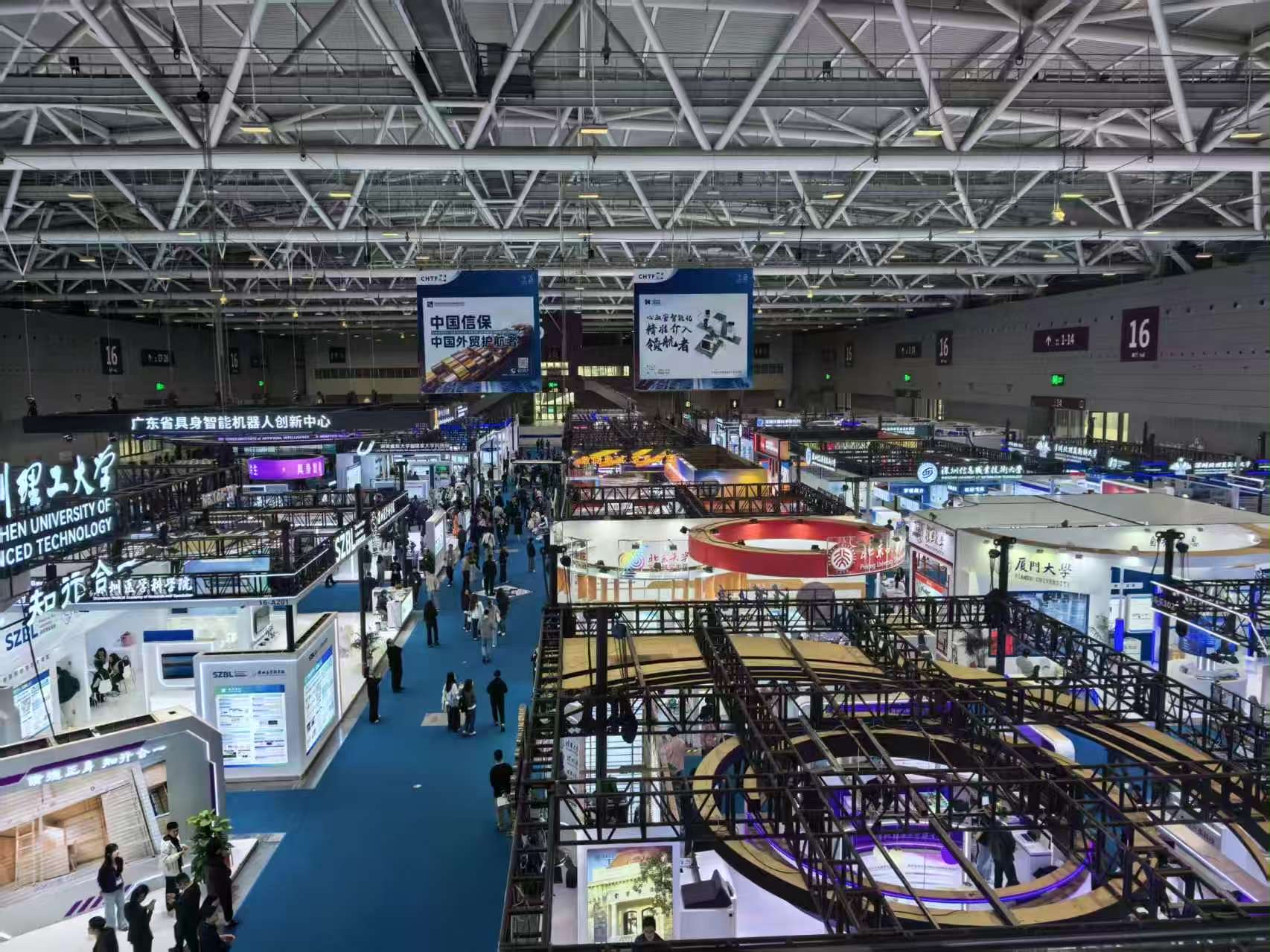
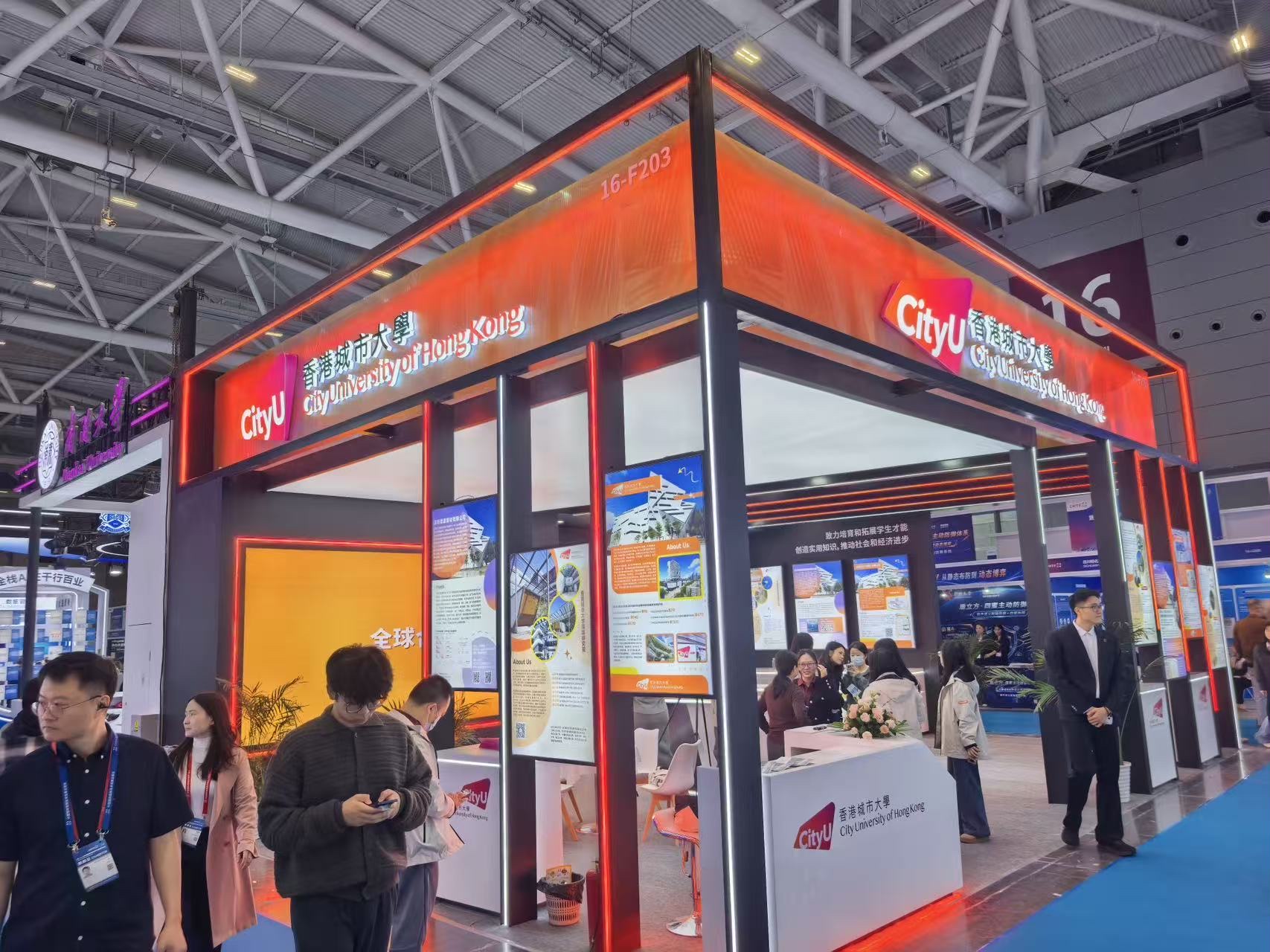
From 25 to 28 November 2026, CALAS members joined the City University of Hong Kong exhibition at the China Hi-Tech Fair (中國國際高新技術成果交易會, CHTF) in Shenzhen. Organised by the CityUHK Shenzhen Research Institute, the CityUHK booth (16-F203) featured CALAS research outputs, including a post-quantum cryptography (PQC) RISC-V hardware/software co-design platform and our work on fully homomorphic encryption (FHE) for privacy-preserving intelligent computing. Prof. Ray C. C. Cheung congratulated Dr. Hao and the team on the showcase, and encouraged every CALAS member to spend at least half a day at the fair.
Together with the Canton Fair and the China International Import Expo, CHTF is regarded as one of China’s three major national-level exhibitions, and is known as “China’s No. 1 Tech Show”. It brings government bodies, national key laboratories, leading universities, industry leaders such as Huawei, Tencent and BYD, and venture capital together under one roof, and its exhibition themes, from AI and embodied intelligent robotics to the low-altitude economy, semiconductors and integrated circuits, often signal where industry is heading over the next three to five years. Building on Shenzhen’s role as the engine of the Greater Bay Area and its complete supply chain, the fair is also a key gateway for Hong Kong and international research teams to connect with manufacturing and real-world applications.
Prof. Ray shared why every PhD student should experience the fair in person. It helps calibrate academic questions against real industrial needs, rather than chasing a 1% improvement in a metric; it shows the full journey from a lab prototype to a product, including reliability, yield, supply chain and certification; it offers direct conversations with leading employers, new research institutes and investors; and it sparks cross-disciplinary ideas, as a chip designer may discover the computing bottlenecks of embodied robots. His advice: arrive with questions, prepare a one-minute “elevator pitch” on your research, and keep asking “why” and “how can this be deployed”.
He also reflected on the strategic picture: Hong Kong has many top talents and excels at “0 to 1” innovation, while technology transfer and the “1 to 10” stage can be developed further. With Shenzhen, now known as the world’s major factory, right next door, CityUHK is in a prime location, and young researchers should walk more and explore more, just as many did at the recent RISC-V Summit China 2026 in Shenzhen.
Our members found the experience rewarding. Andy described it as an eye-opener on industry-academia-research integration and on what other universities are focusing on, William valued the discussions with industry practitioners, and Yann appreciated the chance to explore industry innovations while sharing CALAS research. We thank Prof. Ray and Dr. Hao for this valuable opportunity.